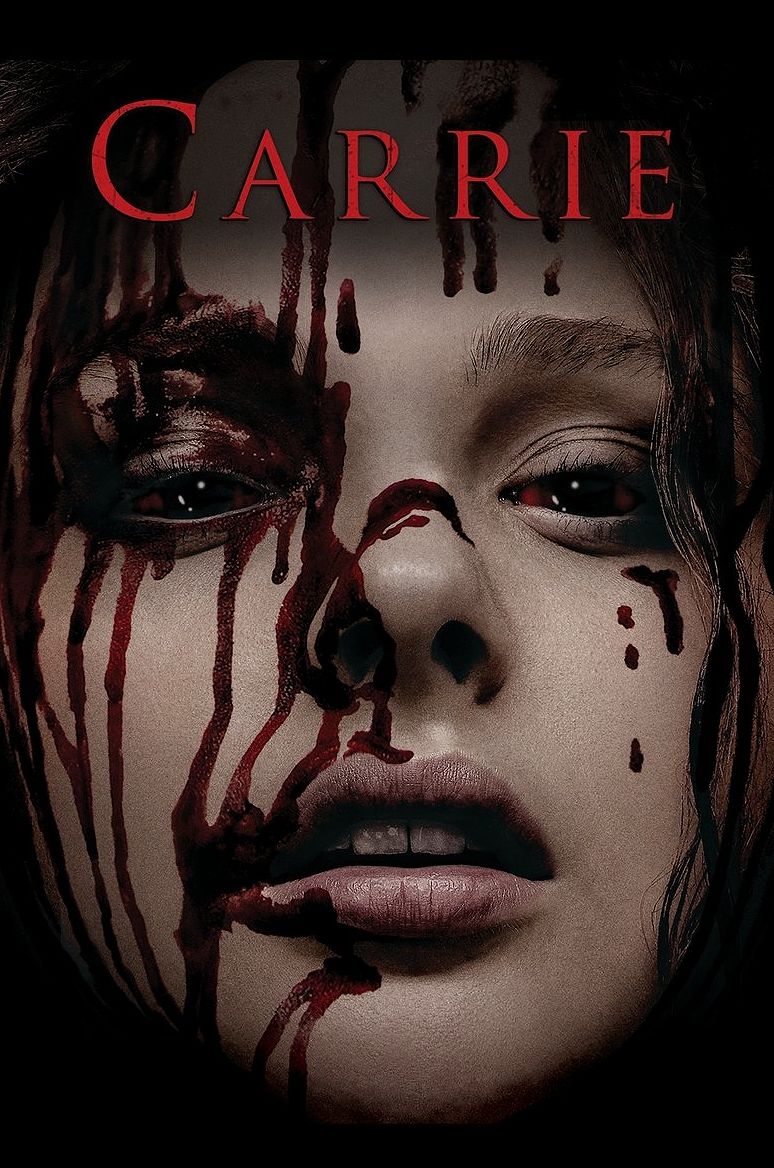
When weakness is trampled into a dangerous power, 'Carrie' (2013) presents the return of a horror classic in a form both familiar and fresh. Our editorial team will take you to explore a film that is not only scary but also reflects the painful truth of teenage society.
Plot Summary (No Spoilers)
Carrie White (Chloë Grace Moretz) is a teenage girl living a lonely life under the strict upbringing of her religious mother (Julianne Moore), who confines and restricts her harshly. At school, Carrie becomes the target of bullying classmates, especially Chris (Portia Doubleday) and her gang. One day after Carrie gets her first period in the school shower, she is cruelly bullied by her classmates. Sue Snell (Gabriella Wilde), a girl who feels guilty, asks her boyfriend Tommy Ross (Ansel Elgort) to invite Carrie to the prom to make amends. But the events of that night turn into a nightmare when Chris and Billy (Alex Russell) plan a major prank on Carrie, triggering the explosion of the telekinetic power hidden within her.
Acting and Characters
Chloë Grace Moretz impressively portrays Carrie's fragility and strength. She convincingly transforms from a shy, innocent girl into a woman filled with vengeance. Julianne Moore as the strict mother is equally outstanding; she creates a character that is both terrifying and pitiable, especially in the scene where she prays and locks Carrie in the closet. Gabriella Wilde as Sue Snell effectively conveys remorse and the attempt to correct the past, while Ansel Elgort as Tommy is charming and warm enough to make us invest in the budding relationship.
Direction, Cinematography, and Music
Director Kimberly Peirce presents the story with a style emphasizing a gloomy atmosphere and pressure. Steve Yedlin's cinematography uses muted tones and shadows that create a sense of unease, especially in scenes where Carrie is locked up or attacked. Marco Beltrami's score blends stirring strings with electronic sounds that hint at the forming telekinetic power. The key prom scene is beautifully and horrifically captured at the same time.
Editorial Analysis
'Carrie' 2013 is not just a typical horror film; it is a critique of school bullying and domestic violence. The film shows that suppressed violence can explode at a breaking point. Carrie is both victim and perpetrator, making the audience feel sympathy and fear simultaneously. The use of telekinesis as a symbol of long-suppressed power is a powerful and thought-provoking narrative. Although the film is not as deep as the 1976 original, it has a clear stance and emotion.
Verdict
For horror fans who enjoy stories with psychological depth, 'Carrie' 2013 is a worthwhile watch. Although it does not surpass the original, it has its own strengths, especially the excellent performances of the two lead actors. Suitable for those who enjoy revenge and intense drama.
Screenshots


👍 Pros
- +Excellent performances by Chloë Grace Moretz and Julianne Moore
- +Well-crafted tense and oppressive atmosphere
- +Powerful and memorable climax
👎 Cons
- −Plot is not very different from the original film
- −Some characters are written too flat
Top Cast





FAQ
The 2013 version emphasizes modernity and technology, such as using social media for bullying, and features more visible telekinesis, along with performances that focus more on character emotions.
It is more psychologically scary than jump-scare horror. There are bloody and violent scenes near the end, but most of the film relies on atmosphere and tension.
Both versions have their own merits. The 1976 original is a classic and iconic, while the 2013 version suits younger audiences who prefer modern visuals and techniques. It is recommended to watch both for comparison.